A growing commerce operation should not depend on people carrying the same order, stock and customer updates between systems.
Online stores, shop counters, marketplaces, warehouses, couriers, customer service and finance each have a role. We help make the movement between them clearer—so teams spend less time copying, checking and reconciling, and more time handling the decisions and exceptions that matter.
The business keeps moving—but people are carrying too much between the channels.
Select any situations that feel familiar. They are starting signals, not a diagnosis. The underlying cause may sit in information, ownership, system handoffs, business rules or visibility.
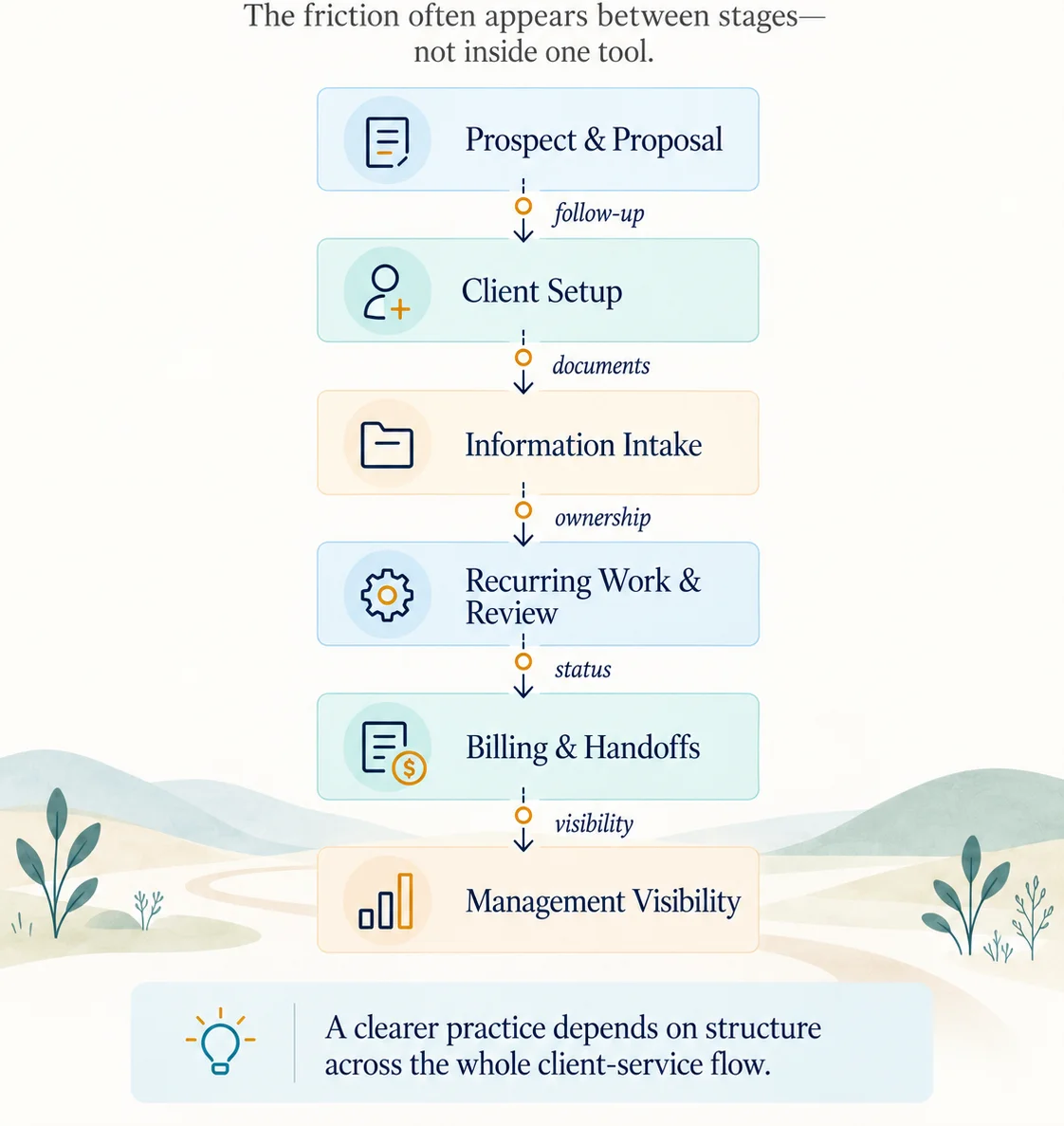
One order touches more of the business than the checkout screen.
Explore a stage to see what commonly breaks and what a clearer operating state may look like.
Capture every sale in a dependable operating flow.
The source may be an online store, shop counter, marketplace, phone order or wholesale request. The operating record should begin without staff recreating the same order elsewhere.
Orders arrive in different formats and the team manually rebuilds one internal record.
A consistent order record begins the next steps and preserves its original channel and customer context.
A connected response to the actual operating chain.
The final scope depends on where the friction begins, what the business needs to protect and which parts of the current environment already work reliably.
Orders and stock
Bring sales channels, reservation rules, available stock and exceptions into a clearer shared flow without forcing every channel into the same application.
Fulfilment and returns
Make ownership, picking, dispatch, delivery, exceptions and return closure visible across the team. Where patterns are repeatable, AI can assist with classification or summaries while the operational rules remain controlled.
Wholesale, customer service and credit
Structure customer terms, bulk-order intake, credit conditions, support context and approval handoffs. AI may help summarise customer or order history when the underlying records are dependable.
Connected system handoffs
Improve movement between store, POS, warehouse, courier, support and finance systems so the important business event does not have to be carried manually.
Visibility and decisions
See stock health, pending orders, returns, settlements, dues and exceptions early enough to act. On governed data, AI can help summarise exceptions or support questions without becoming another source of truth.
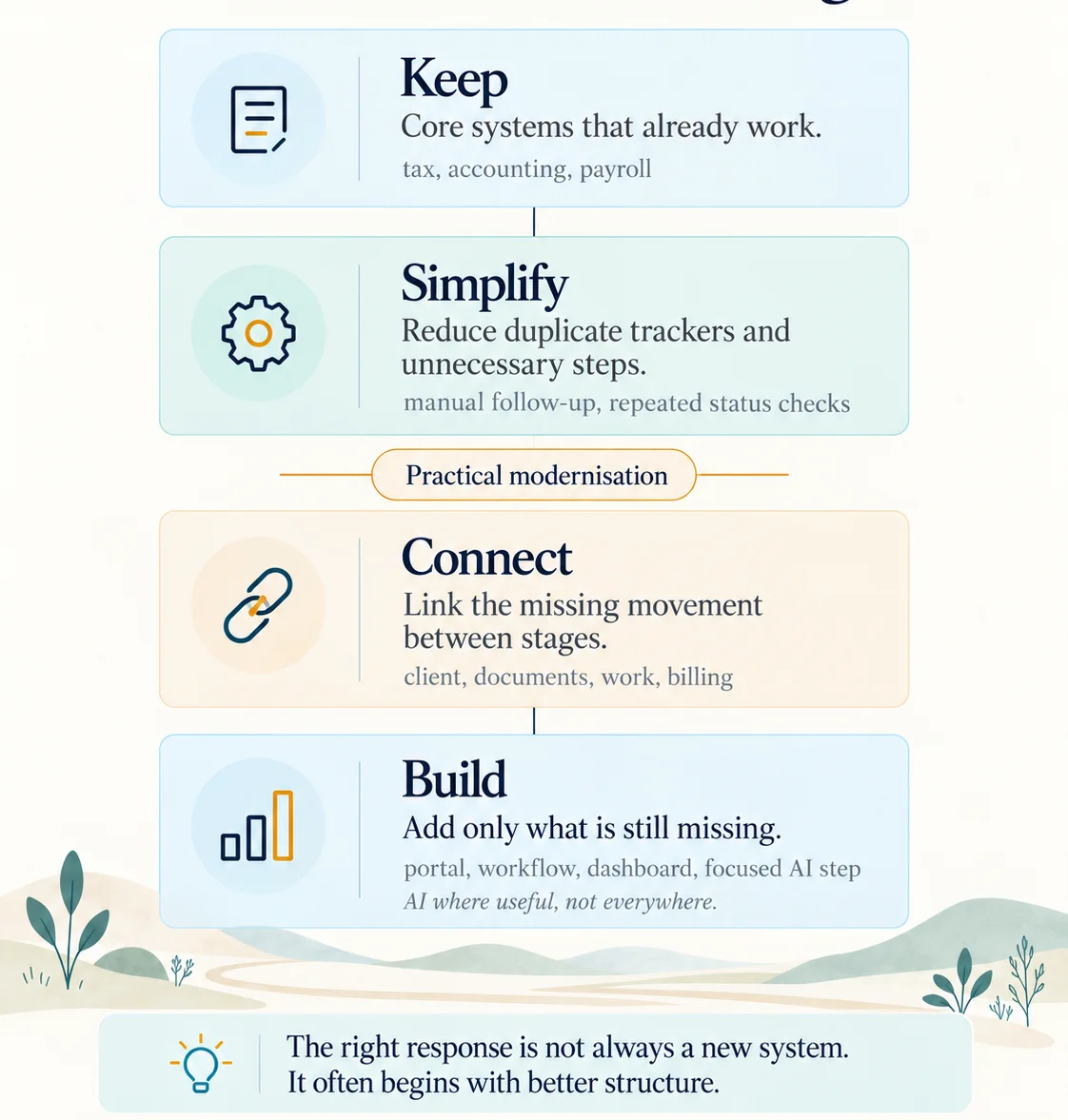
We improve the current environment before adding to it.
The ecommerce platform, POS, marketplace, warehouse, courier, CRM, accounting system or spreadsheets already in use may still be suitable. We focus on the gaps between them before recommending replacement.
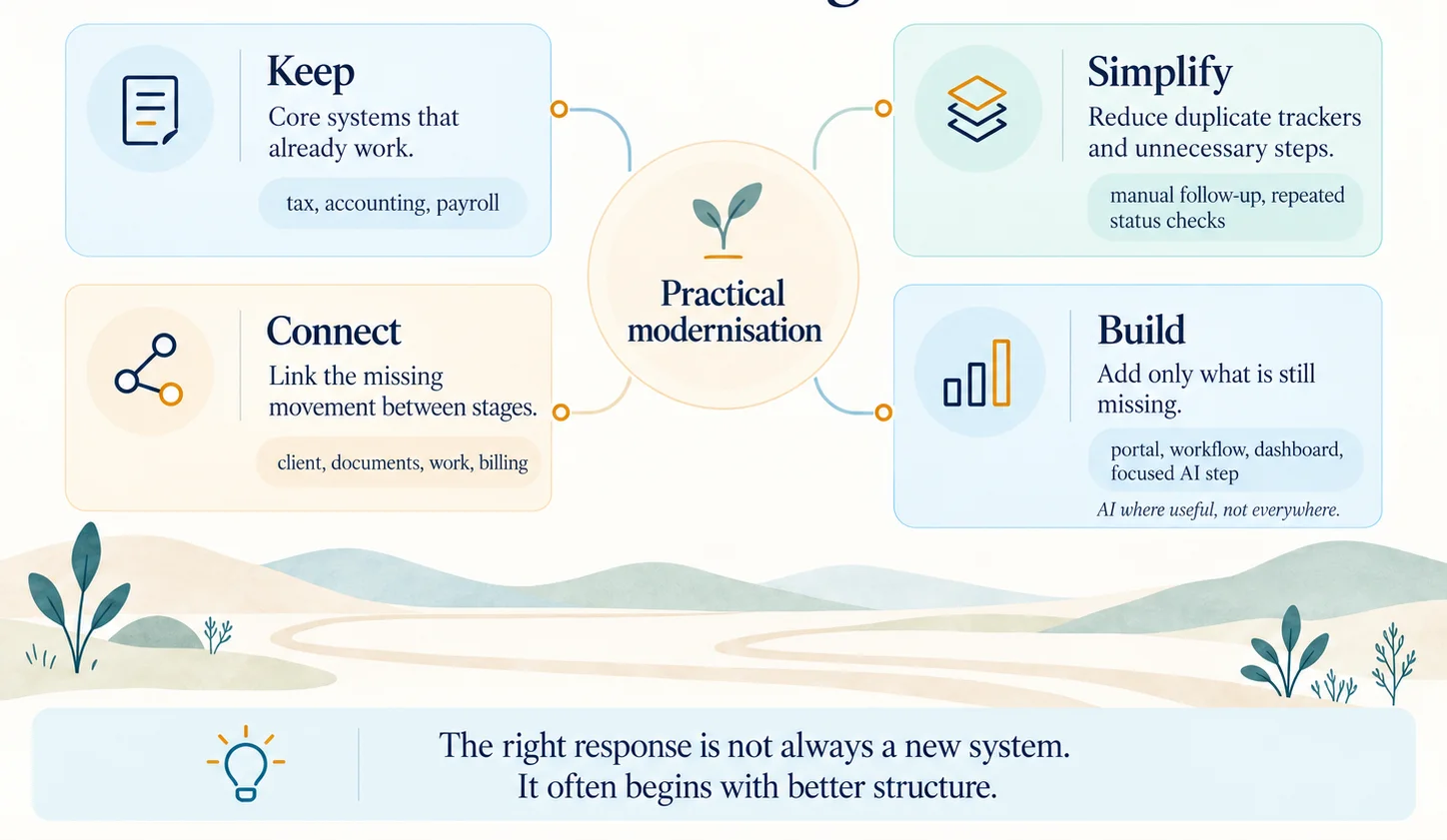
Retain what performs its core role reliably.
A useful specialist platform does not need to be replaced merely because the wider flow is disconnected.
Remove duplicate tracking and unnecessary steps.
Clarify what must be recorded, approved, handed over or reconciled before automating it.
Create the missing movement between stages.
Link the important sale, stock, fulfilment, customer and finance events while keeping system ownership clear.
Add something new only where a real capability gap remains.
Custom or low-code components should justify their cost, complexity and long-term maintenance.
Less manual carrying. More confidence in the operating picture.
The aim is not to force the whole business into one platform. It is to make the important relationships between sale, stock, fulfilment, customer, finance and visibility easier to run.
Orders begin in a clearer flow.
The original channel and customer context travel forward without staff repeatedly rebuilding the same order.
Stock answers are easier to trust.
Availability and reservation logic are clearer across the channels that matter to the business.
Fulfilment and returns have visible ownership.
The team can see what is waiting, what is delayed and who owns the next operational step.
Customer service needs less system hopping.
Relevant order, fulfilment and exception context is easier to reach without checking several disconnected places.
Management sees exceptions earlier.
Stock risk, pending orders, returns, settlements and other unusual positions surface before reports have to be rebuilt manually.
See the operating pattern. Then inspect how it works.
Solution Tours and working artefacts show the connected logic without pretending that one demonstration is an exact copy of another business.
Connected Systems Tour
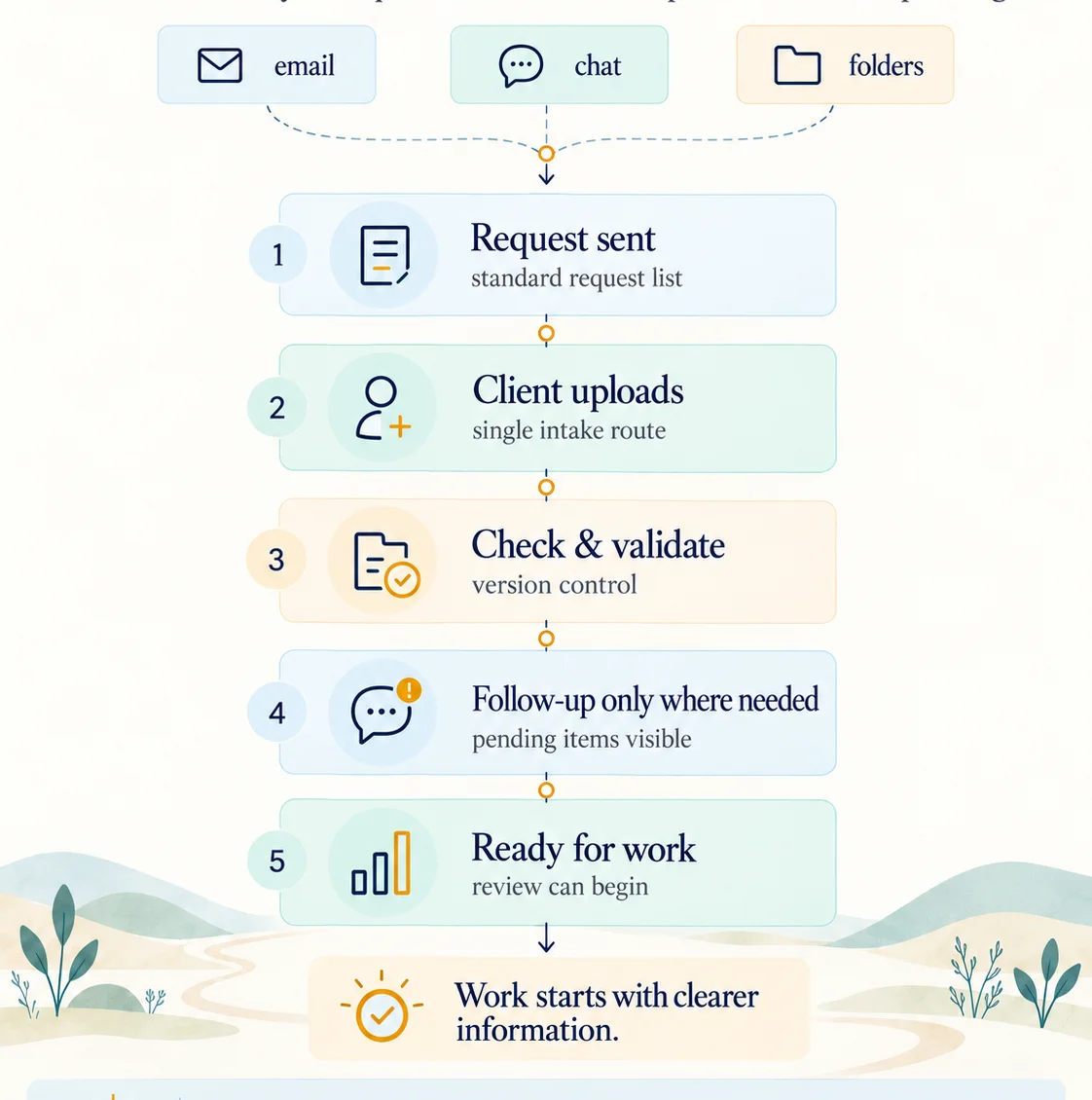
See how a business event can move between applications without staff repeatedly carrying the record.
- Source event and validation
- Connected updates with clear ownership
- Visible exception handling
- Traceable handoffs between systems
Operations Dashboard
See how a manager can move from the overall operating position into delay, workload, risk, trends and the underlying record.
Explore the TourOrder-to-Cash System Map
Inspect the decisions behind a connected order, fulfilment, customer, finance and management flow.
Inspect the structure